

Why Strategy-Based Activities Build Long-Term Resilience in Youth
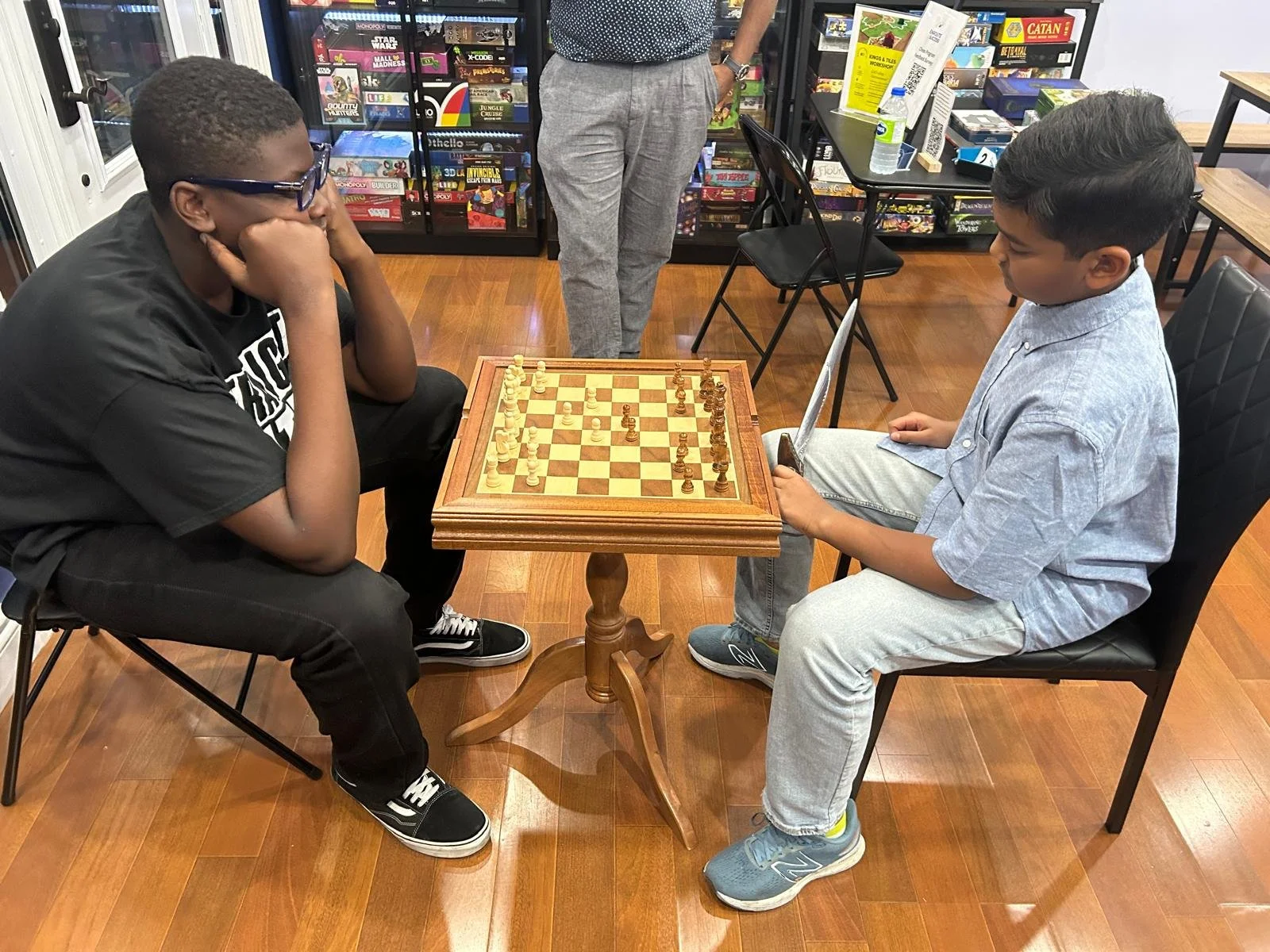
Resilience is built through repetition.
It develops when youth are placed in environments that require focus, reflection, and recovery, not once, but week after week.
Strategy-based activities like chess and golf create those environments naturally. They require planning, emotional control, and adjustment after setbacks. Over time, those habits extend far beyond the game.
At EnRoute 2 Success, this is visible every week in our youth programs in Brampton and across the Greater Toronto Area.
What Resilience Actually Looks Like
Resilience is often described in abstract terms. In practice, it shows up in ordinary moments.
A student loses a chess match and reviews what went wrong instead of quitting. A young golfer misses a shot, pauses, and resets before stepping up again. A participant stays engaged even when frustration rises.
These small decisions, repeated consistently, become mental strength.
Strategy-based activities create structured environments where those repetitions happen week after week.
Chess: Structured Thinking Under Pressure
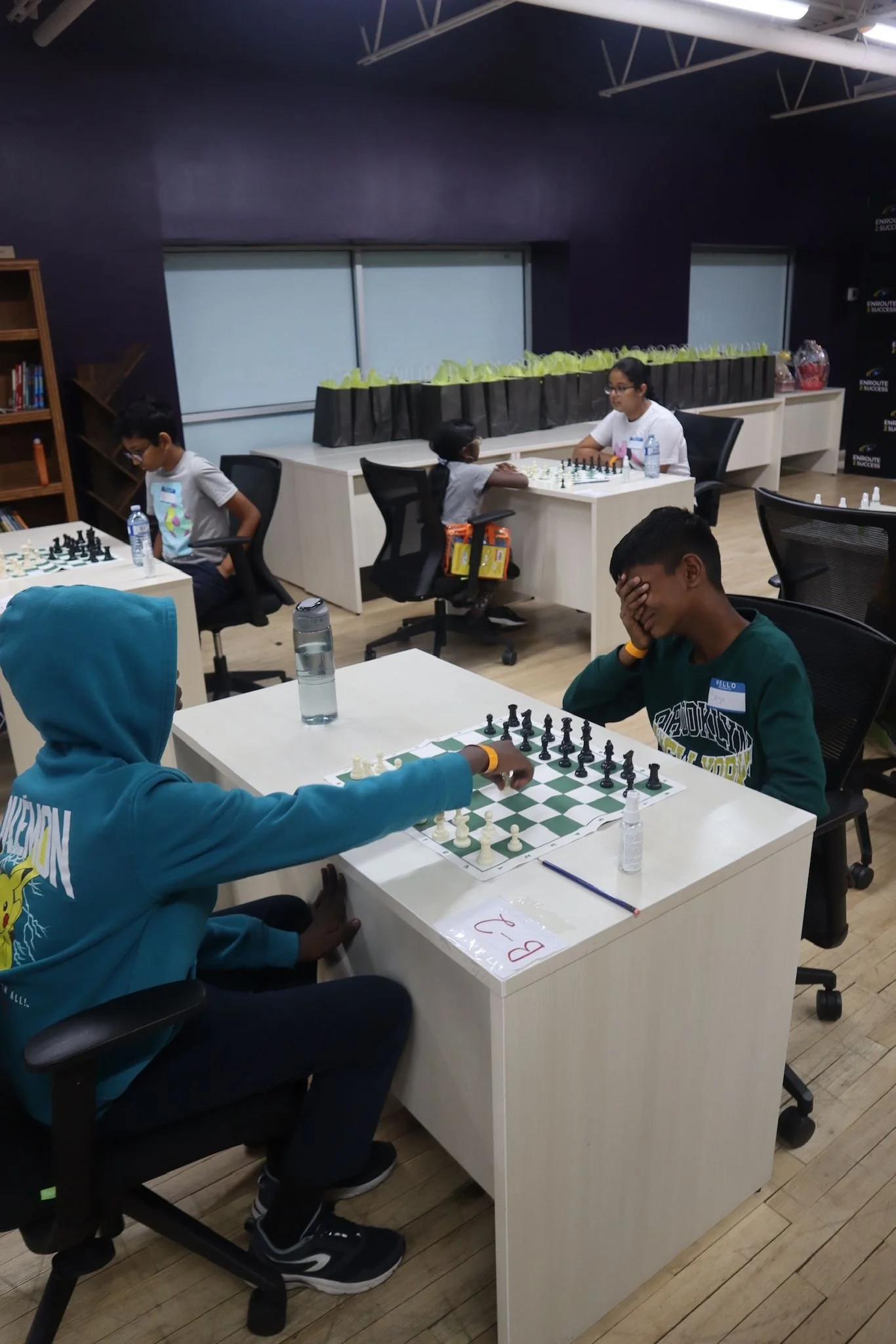
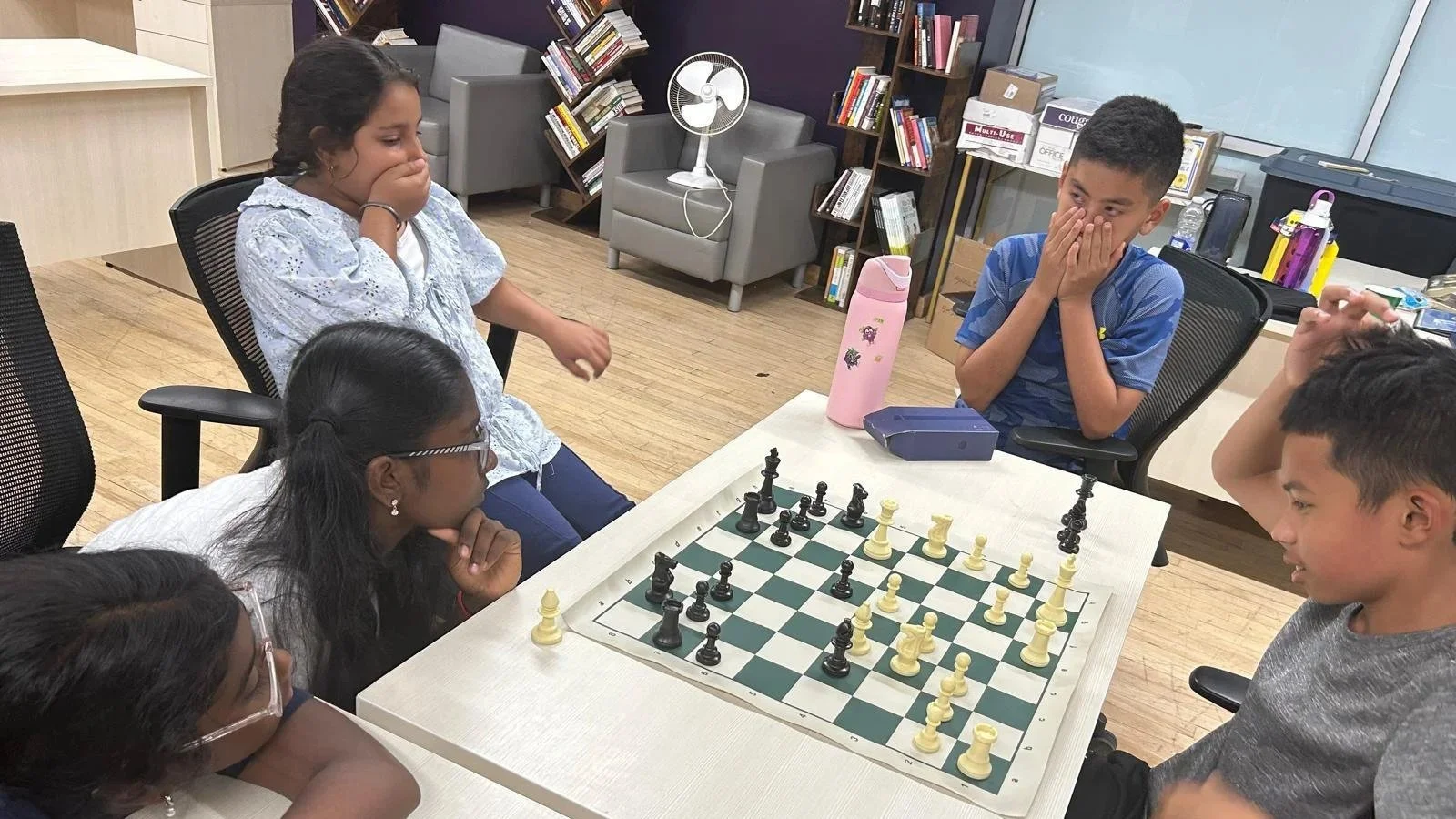
Chess slows youth down in a productive way.
Each move requires planning, impulse control, and decision-making. Consequences are visible and immediate. A rushed move often leads to a clear lesson.
In our Brampton-based chess sessions, youth practice thinking ahead, adjusting strategy, and managing frustration in real time. Research consistently links strategy games to improvements in executive function, including working memory and cognitive flexibility.
The result is not only stronger gameplay. It is stronger patience and confidence in decision-making.
Golf: Emotional Regulation in Motion
Golf introduces a different kind of challenge.
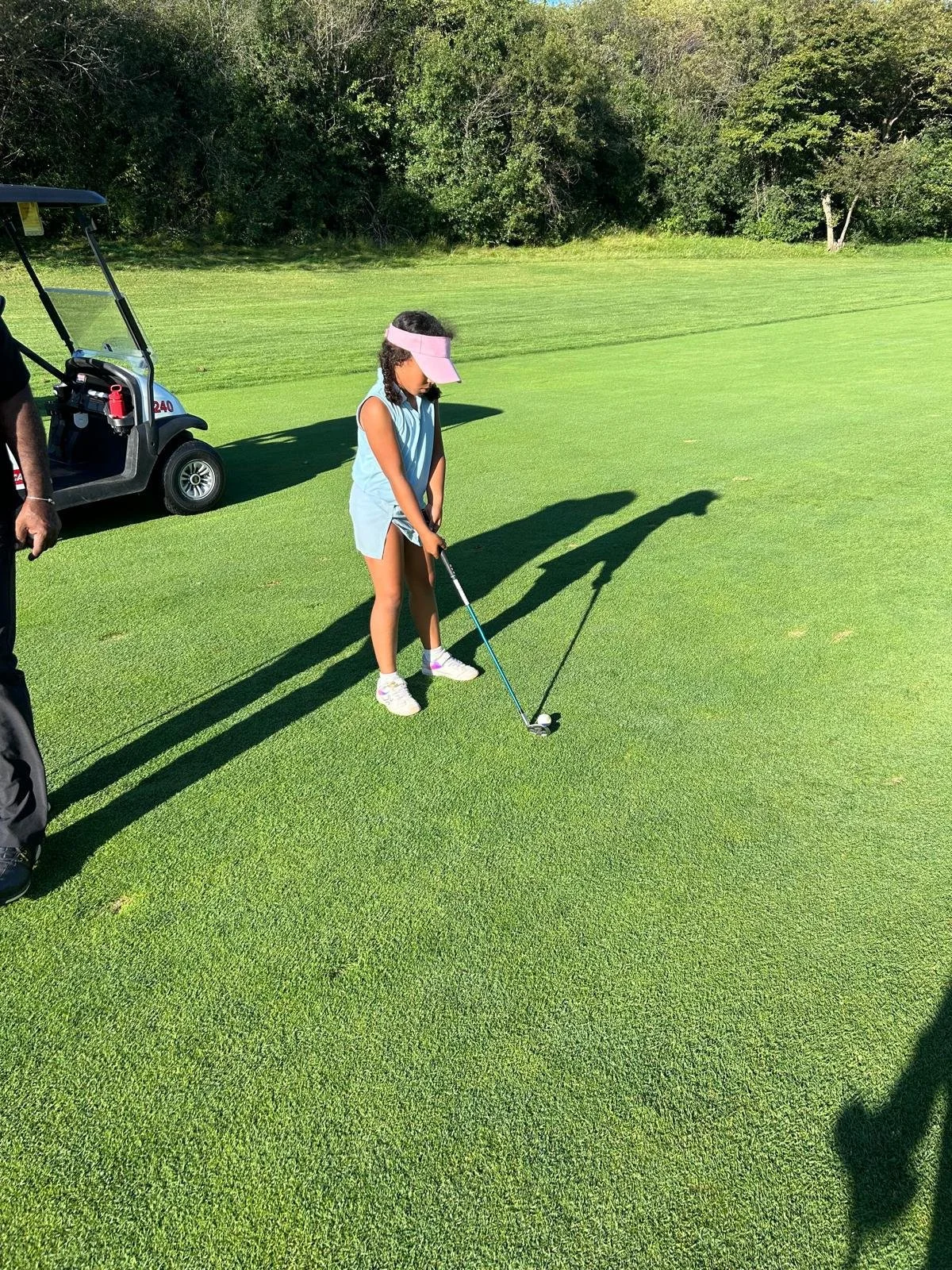
A missed shot cannot be undone. The next one still demands attention. Progress happens gradually.
Youth golf lessons emphasize discipline, repetition, and composure. Between swings, there is space to reset. That pause builds emotional regulation.
For many participants across the GTA, golf becomes a practical lesson in delayed gratification. Improvement comes from steady effort, not pressure.
Why Strategy Matters More Than Motivation
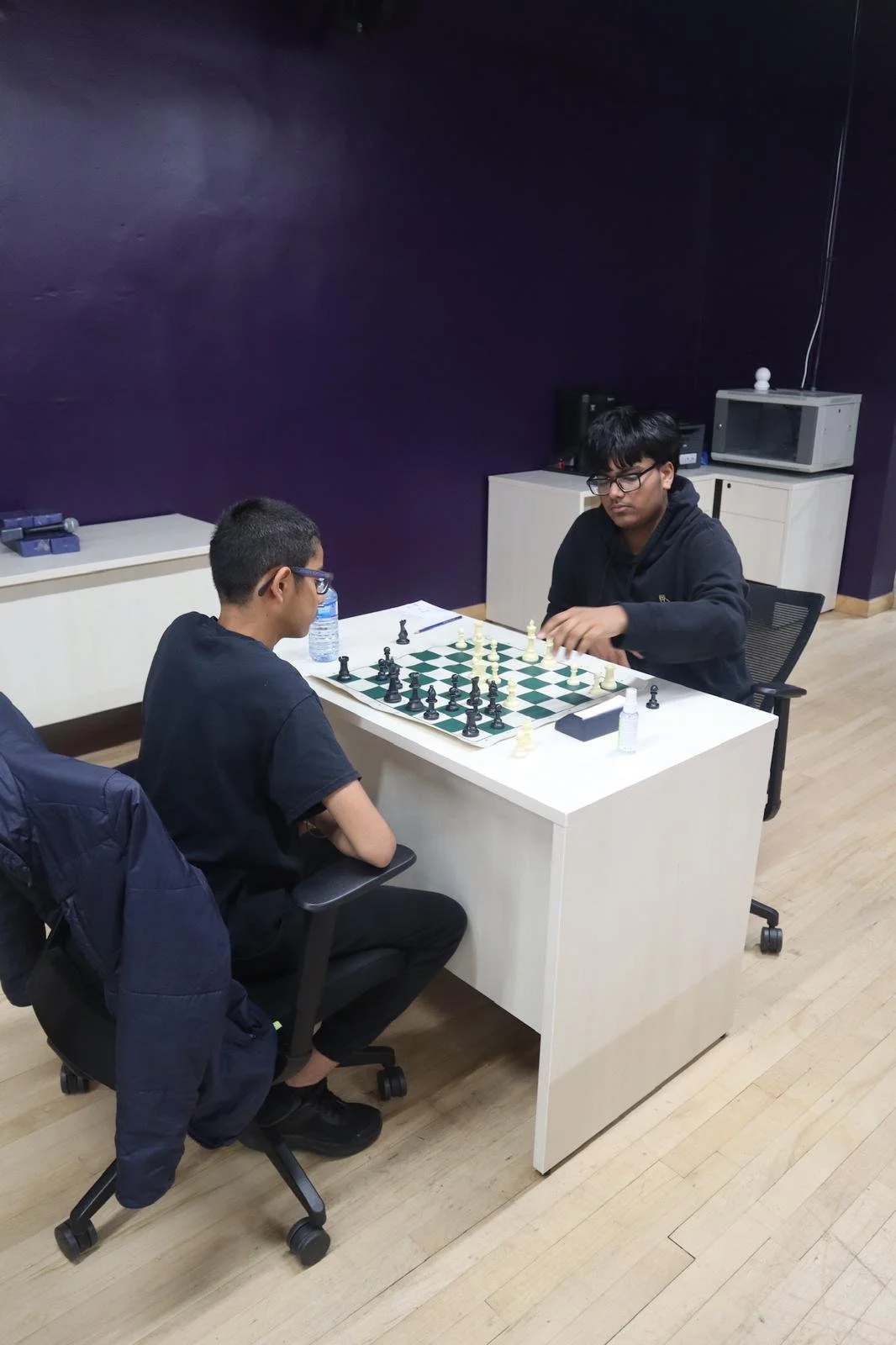
Motivation fades. Structure remains.
Strategy-based programs strengthen:
Executive function
Emotional regulation
Decision-making confidence
Long-term focus
These skills influence academic performance, peer relationships, and future leadership development.
Resilience is not toughness. It is the ability to recover thoughtfully and continue.
That ability can be trained.
Why Community Access Makes the Difference
When structured programs are free and community-based, families can participate consistently. Consistency turns exposure into growth.
EnRoute 2 Success offers youth chess and golf programming in Brampton and surrounding communities, providing mentor-guided spaces where youth practice strategy, patience, and perseverance together.
Skill-building in isolation is difficult. Skill-building in community creates accountability and belonging.
Resilience is not built in one dramatic moment.
It is built move by move. Shot by shot. Week after week.
When youth are given structured environments that challenge them and mentors who guide them, they develop more than technical skills. They develop the mental habits that carry into school, careers, and leadership roles.
Get Involved
If you are in Brampton and want your child to strengthen patience, decision-making, and confidence in a structured setting, our weekly youth chess sessions are open for registration.