

Signs a Youth Program Is Helping Your Child Grow
What Parents May Notice Over Time
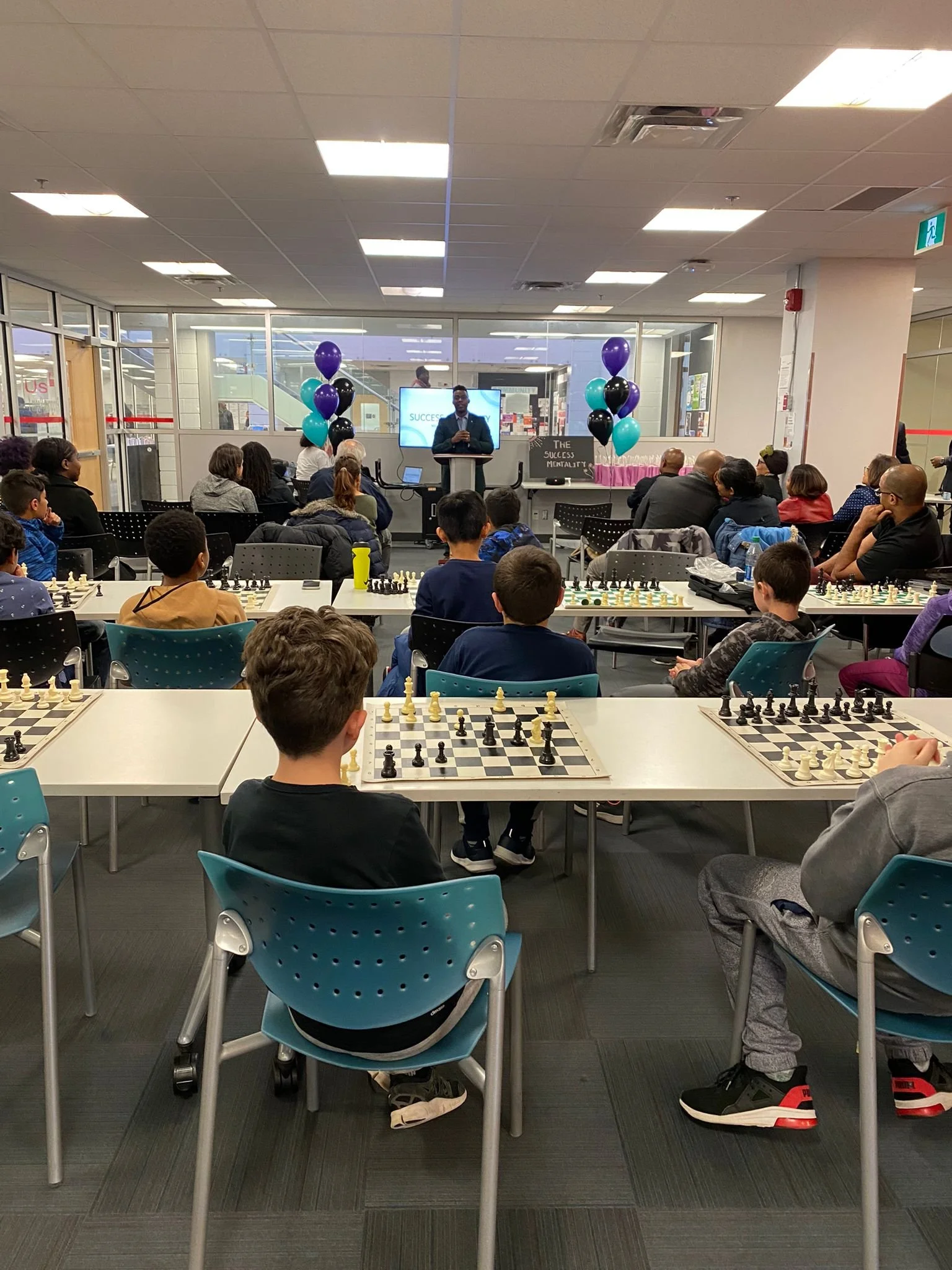
Parents often sign their children up for programs hoping they will gain confidence, learn new skills, or simply try something different outside the classroom. Sometimes the impact appears gradually rather than all at once.
Youth programs that focus on learning, mentorship, and skill-building can influence how children approach challenges, interact with others, and see themselves. Over time, parents may begin to notice subtle shifts in behaviour, confidence, and independence.
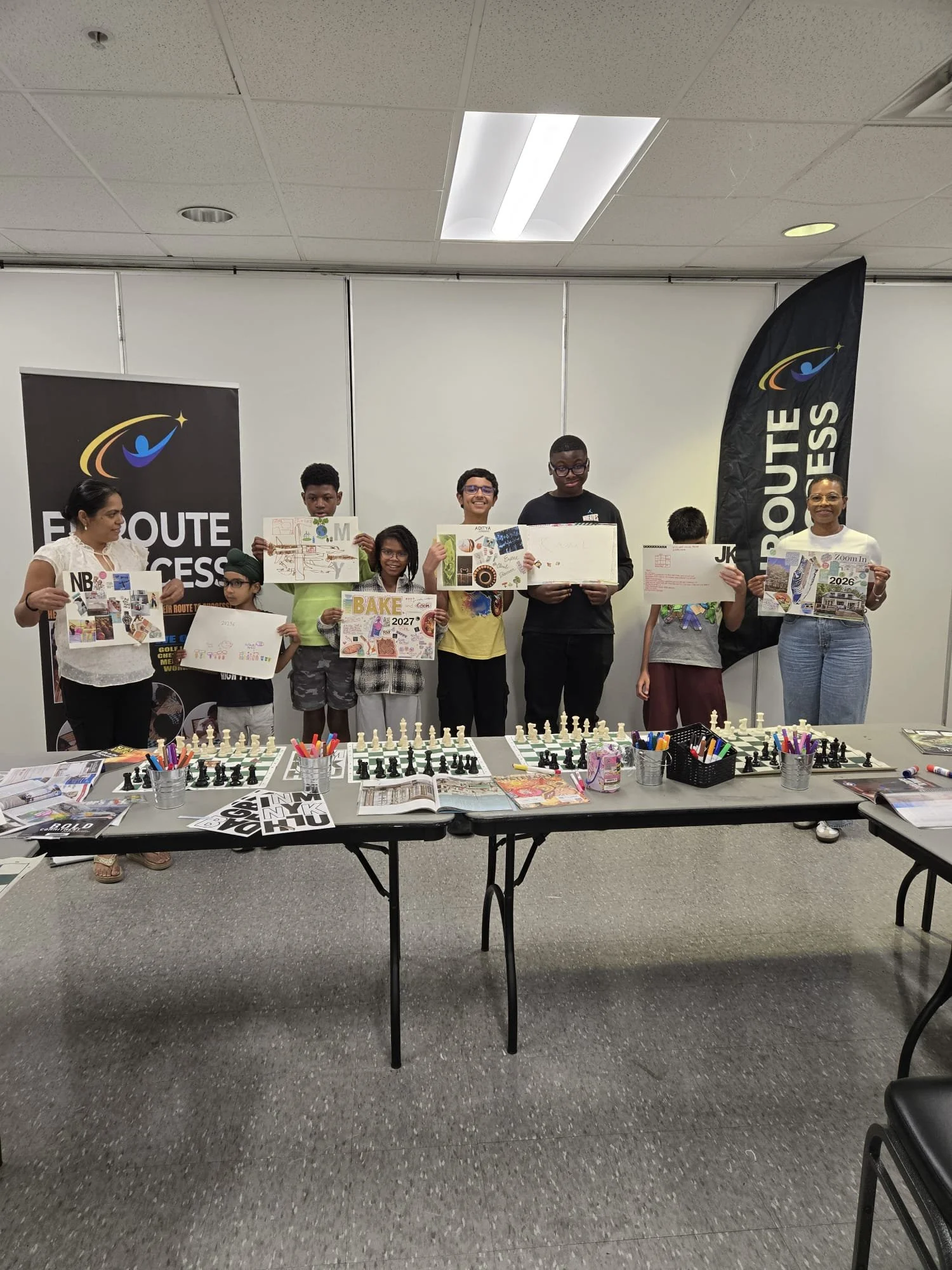
At EnRoute 2 Success, children participate in activities such as chess and golf lessons, along with community workshops. While every child’s experience is different, there are several signs that a program is helping build confidence, focus, and problem-solving skills.
Increased Confidence in Trying New Things
One of the first changes parents often notice is a greater willingness to try unfamiliar activities.
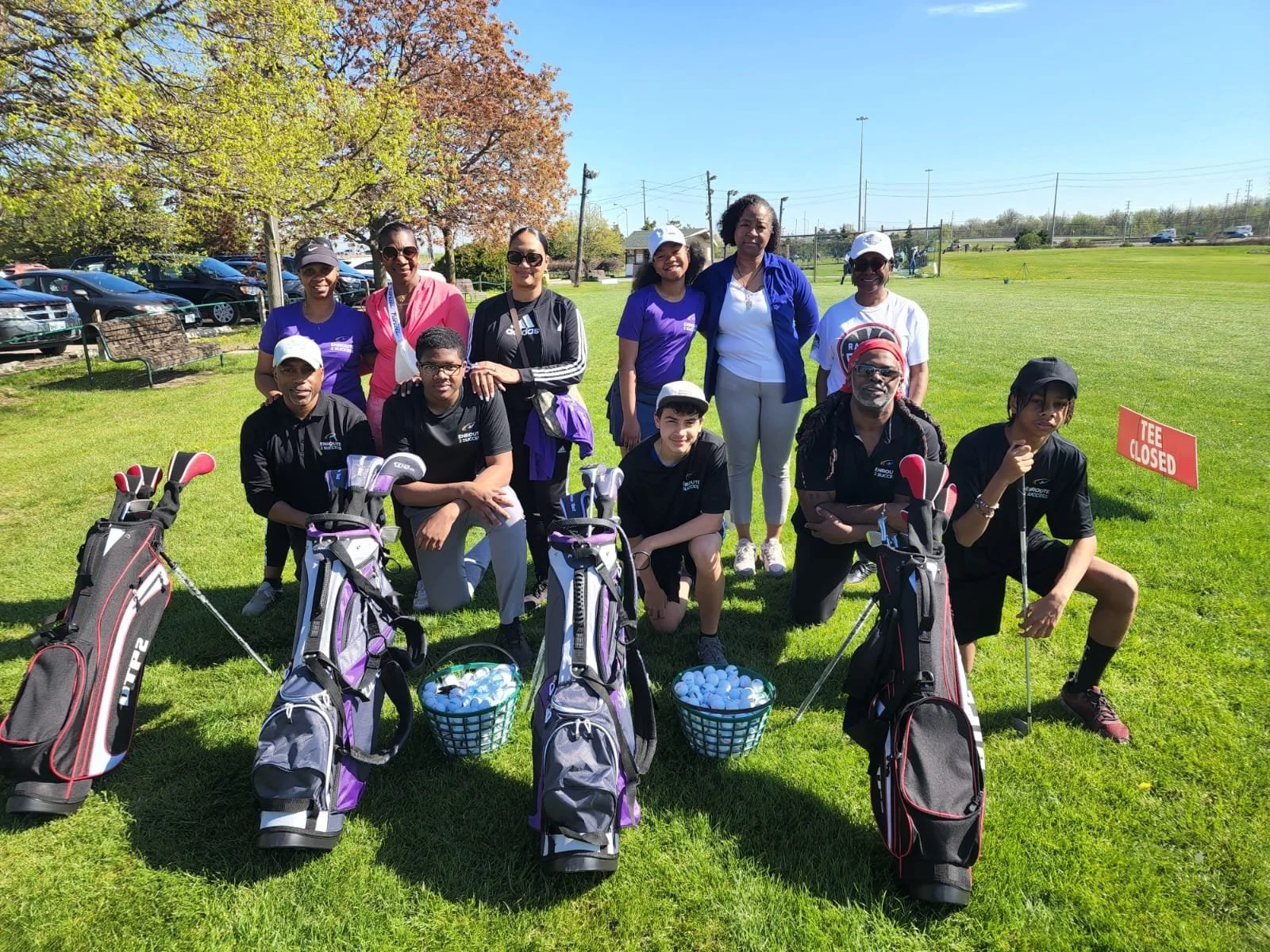
Children who participate regularly in structured programs begin to build confidence through small achievements. In a chess lesson, this might mean planning a strategic move or solving a problem on the board. In a golf session, it could involve learning how to adjust their stance or improving a swing.
As children experience progress, they often become more comfortable taking on new challenges both inside and outside the program.
Improved Focus and Patience
Activities that require strategy or skill development naturally encourage concentration.
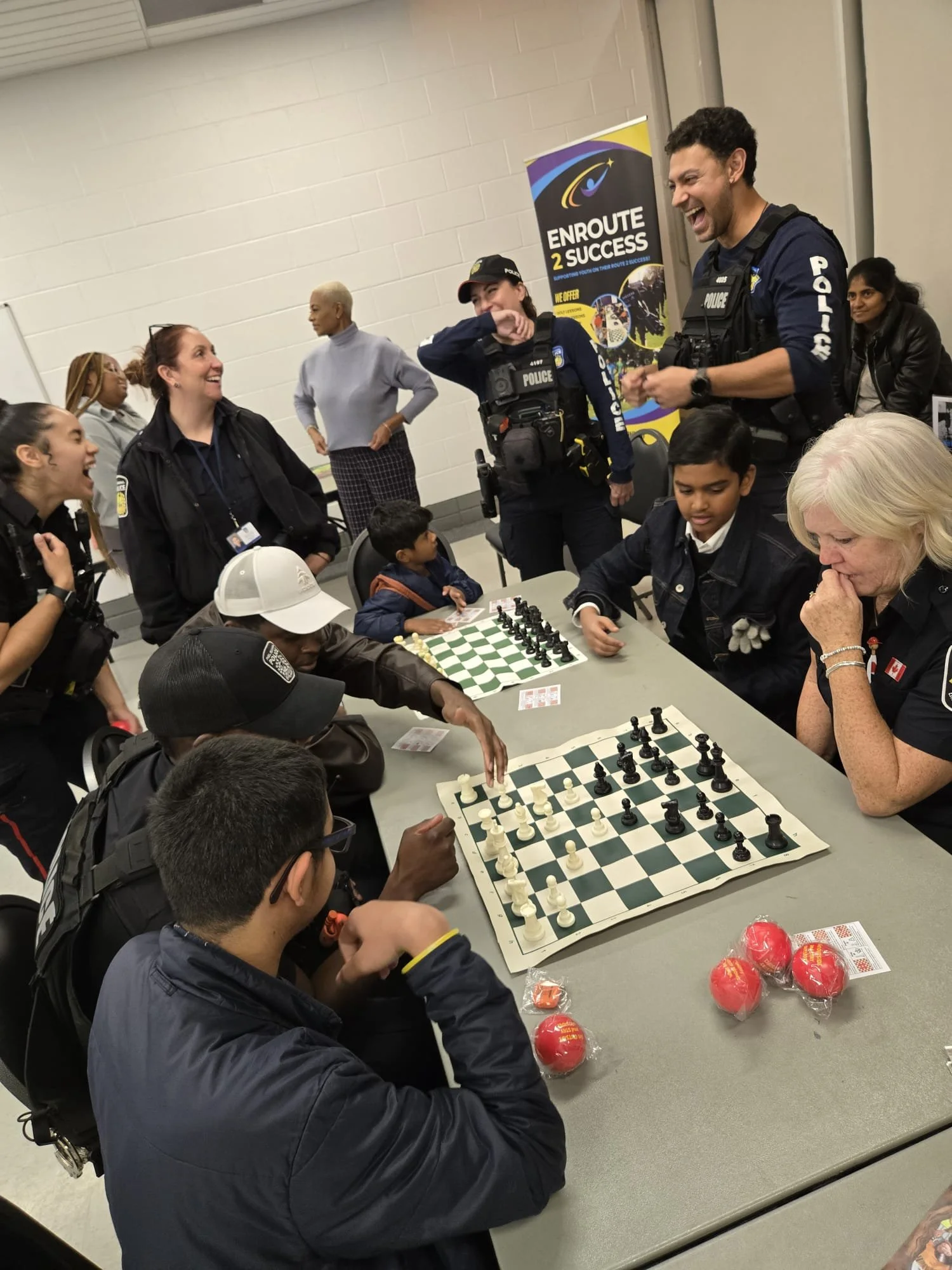
Games like chess require players to slow down, think ahead, and consider multiple possibilities. Similarly, sports such as golf reward patience and careful attention to technique.
Parents sometimes notice these skills carrying over into other areas of life, including schoolwork, decision-making, and problem-solving.

Greater Independence and Responsibility
Youth programs often encourage participants to take ownership of their learning.
Whether it involves setting up a chess board, practicing a new skill, or following guidance from a coach or instructor, children begin to develop habits that support independence.
Over time, these experiences can help children gain confidence in their ability to navigate challenges and contribute within a group setting.
Stronger Social Connections
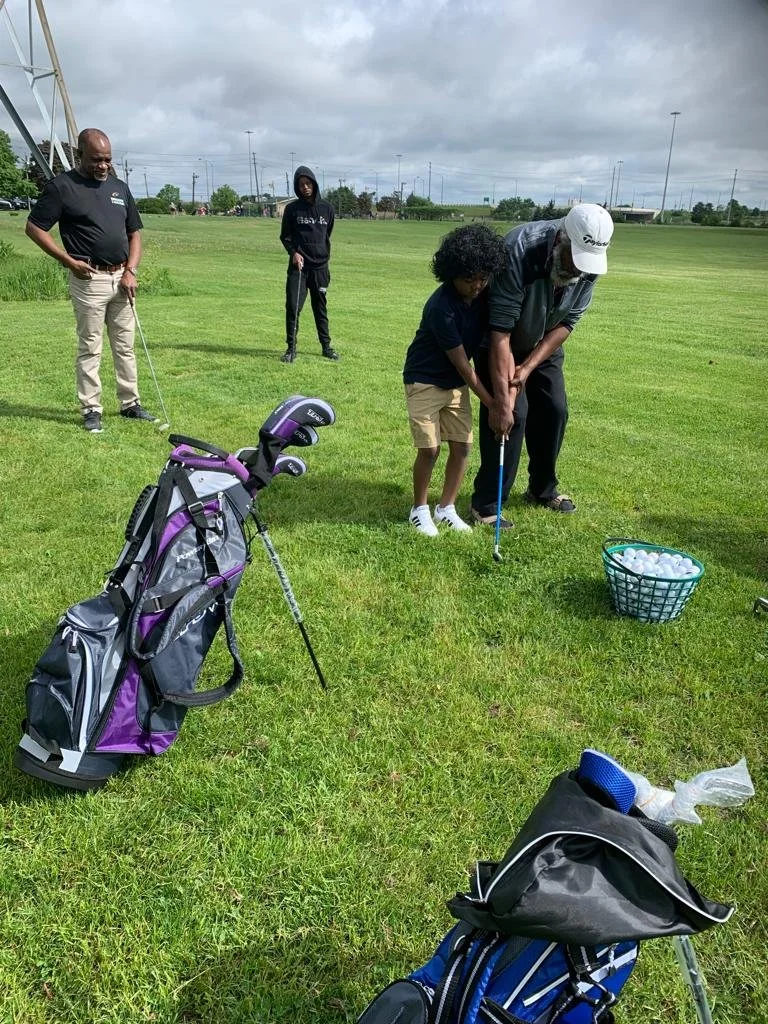
Community programs also provide opportunities for children to meet peers who share similar interests.
Through group activities, children learn to communicate, collaborate, and respect different perspectives. These interactions help build social confidence while creating a sense of belonging within the program environment.
For many children, this supportive setting becomes an important space where they feel comfortable learning and growing.
Growth Happens Over Time
The impact of a youth program is rarely measured by a single moment. Instead, it becomes visible gradually through changes in how children approach learning, challenges, and relationships.
Experiences that combine skill-building, mentorship, and community engagement can help children develop confidence that carries into other areas of their lives.
Programs like those offered by EnRoute 2 Success create spaces where children can build confidence, gain new skills, and benefit from positive mentorship within their community.
Learn More About EnRoute 2 Success Programs
For families looking for a youth program that combines learning, mentorship, and community engagement, EnRoute 2 Success offers programs designed to support long-term development.