

What Age Should Children Start Learning Chess?
Understanding When Children Are Ready to Begin
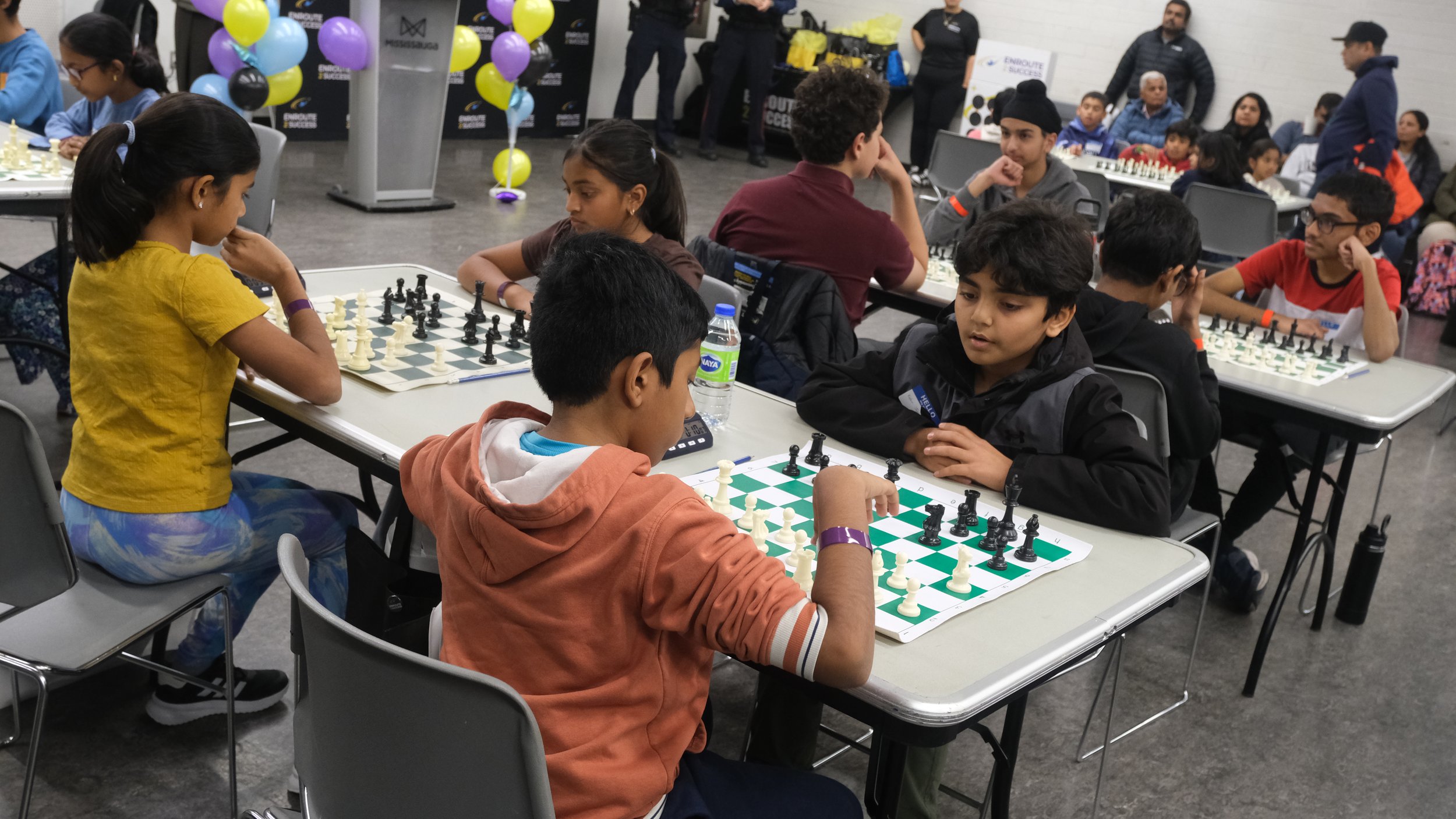
Many parents wonder when the right time is to introduce chess. Some children see a chessboard for the first time in elementary school, while others learn earlier through family members or community programs.
In reality, there is no single “perfect” age. What matters most is a child’s readiness to understand simple rules, stay engaged with a turn-based game, and enjoy solving small challenges.
For many children, chess can become an engaging activity that strengthens focus, patience, and problem-solving skills over time.
At EnRoute 2 Success, children are introduced to chess in a supportive environment where learning the game is encouraged step by step.
What Age Most Children Can Begin Learning Chess
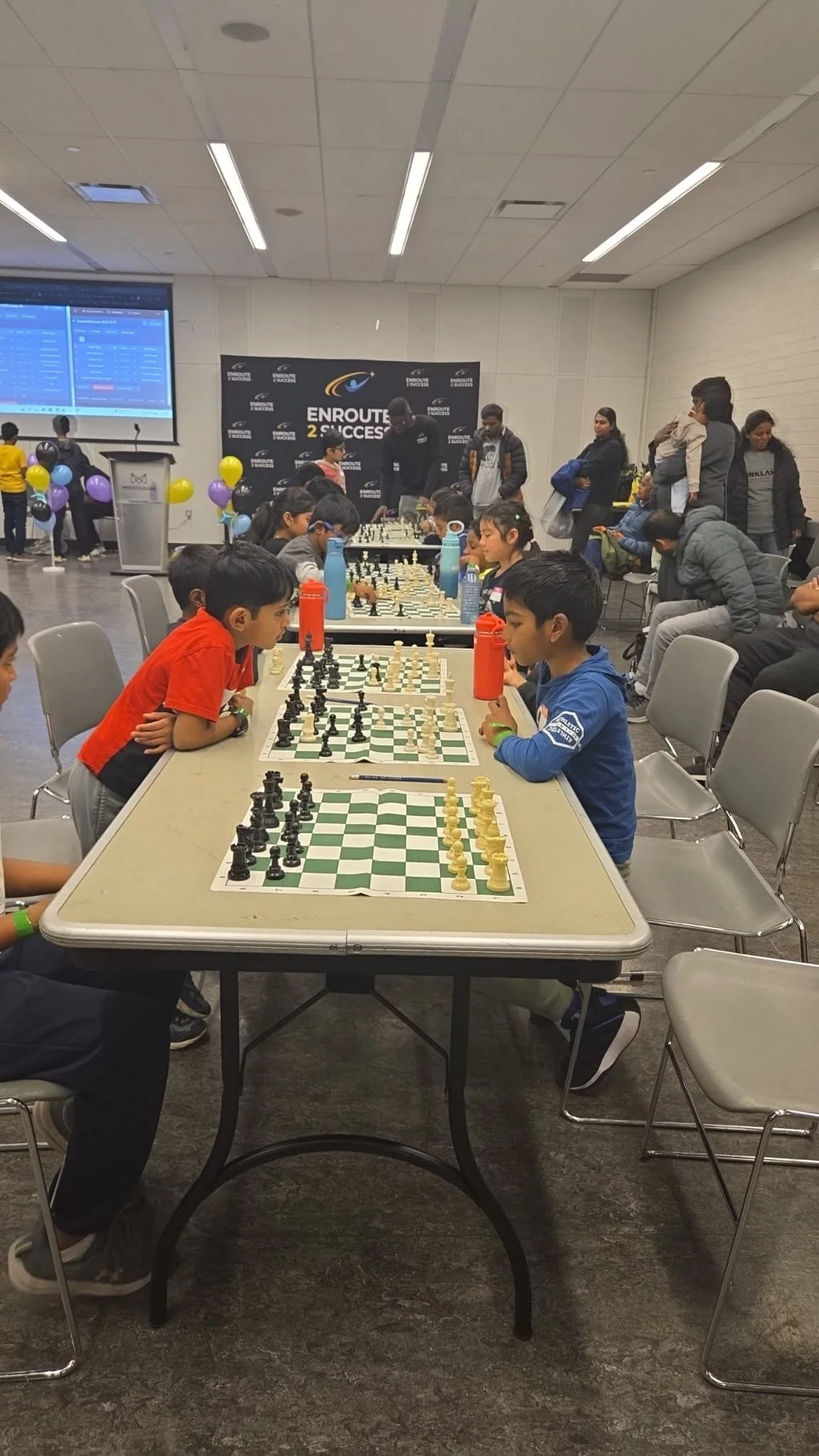
Many children can begin learning the basics of chess around ages 5 to 7.
At this stage, children are typically able to:
Follow simple rules
Take turns during structured activities
Recognize patterns and basic strategies
Early lessons often focus on learning how the pieces move, understanding the objective of the game, and becoming comfortable with the board.
The goal at this stage is not competition. Instead, children begin building familiarity with the game while developing concentration and confidence.
Signs Your Child May Be Ready to Learn Chess
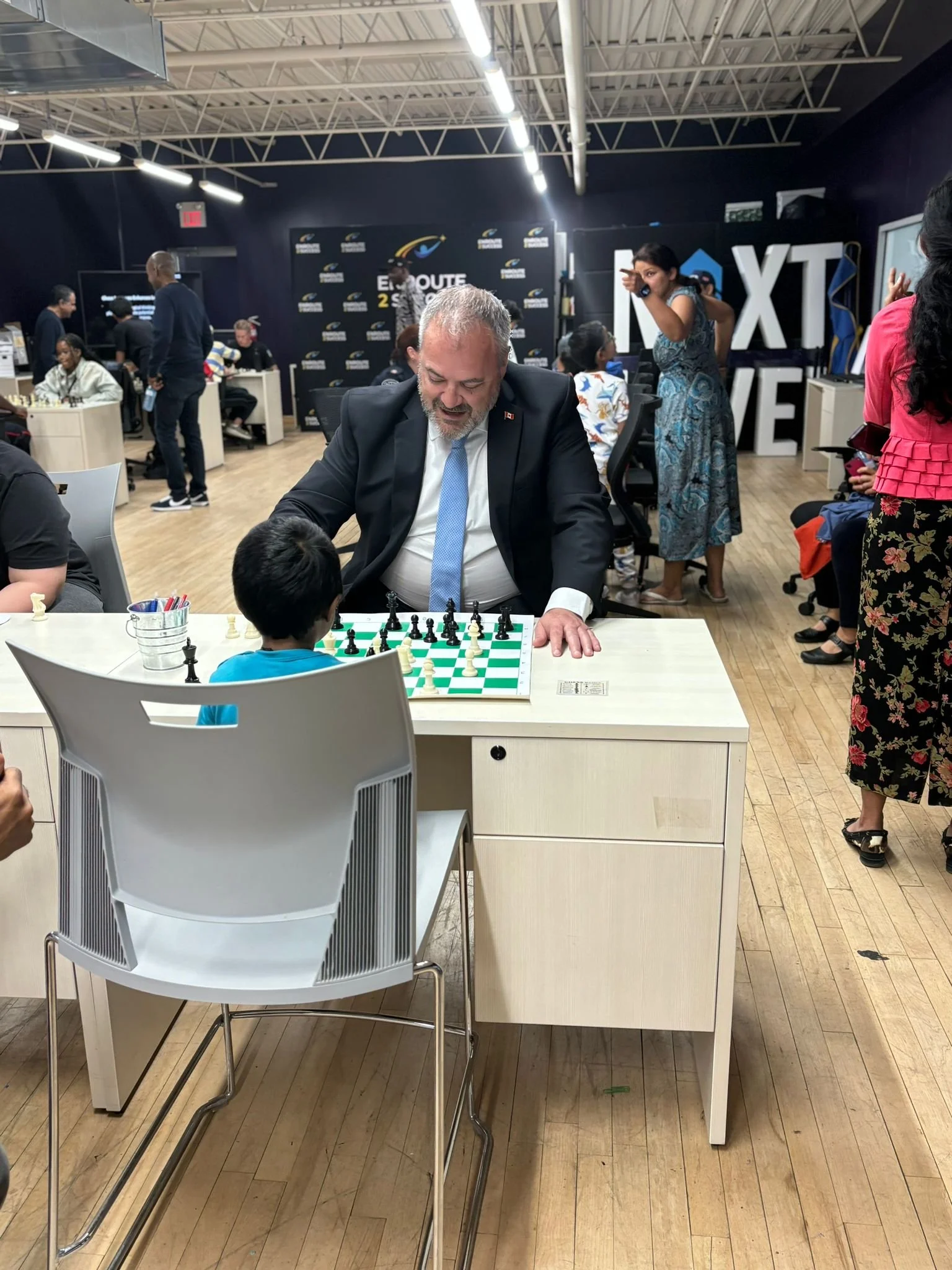
Rather than focusing only on age, it can be helpful to look for signs that a child may enjoy learning chess.
Some indicators include:
Enjoying puzzles or problem-solving activities
Showing patience with board games
Asking questions about strategy or how games work
Enjoying structured learning environments
Children who demonstrate curiosity and patience often respond well to learning the game.
Why Learning Chess Early Can Be Beneficial
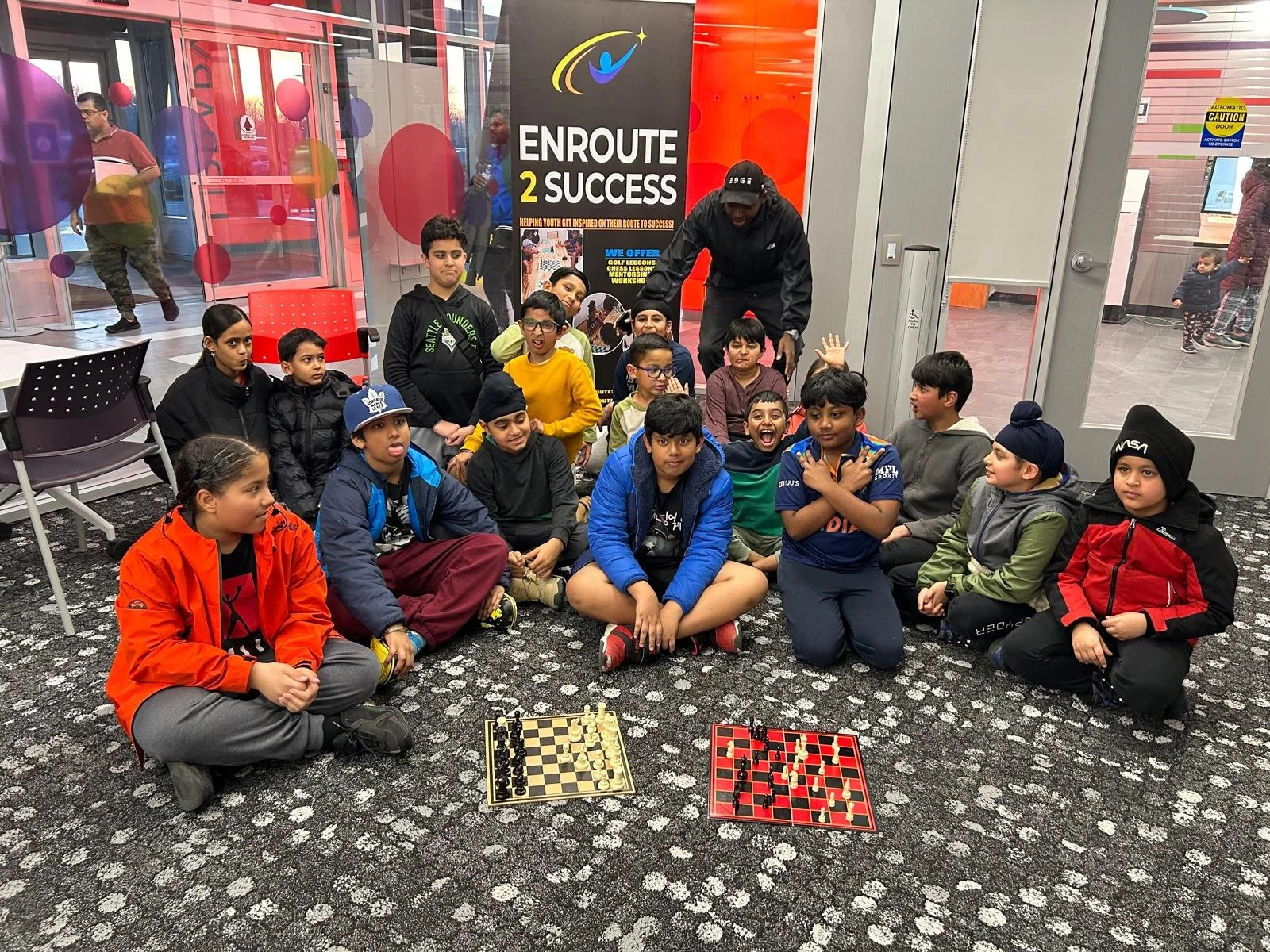
Chess introduces children to several skills that extend beyond the game itself.
While playing, children learn to:
Think a few steps ahead
Consider different possible outcomes
Practice patience and careful decision-making
Learn from both successes and mistakes
Over time, these habits can support focus and strategic thinking in other areas of life.
Learning Chess in a Supportive Environment
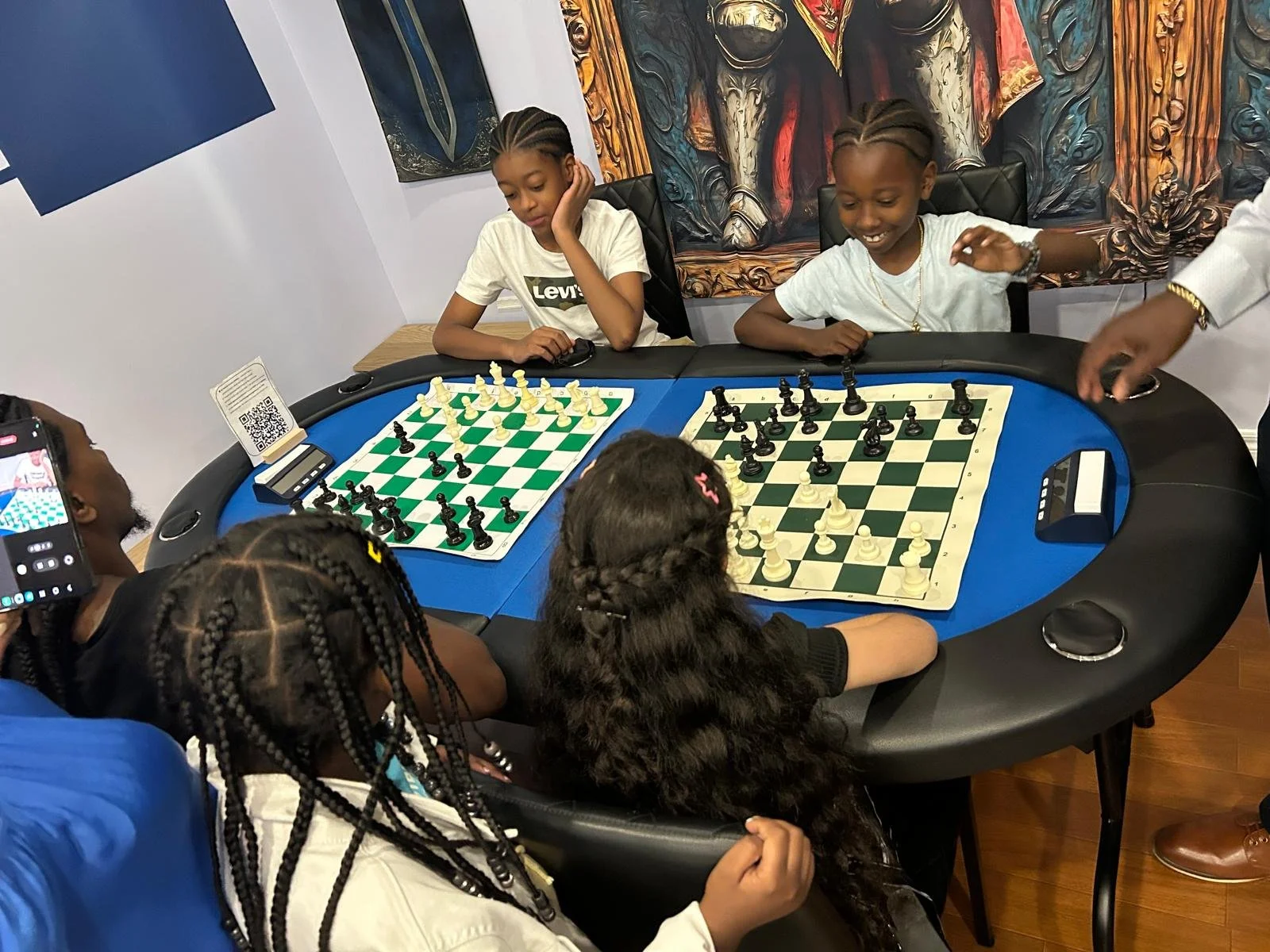
The way chess is introduced can make a significant difference in how children experience the game.
Programs that focus on guidance, encouragement, and gradual learning often help children stay engaged while building confidence.
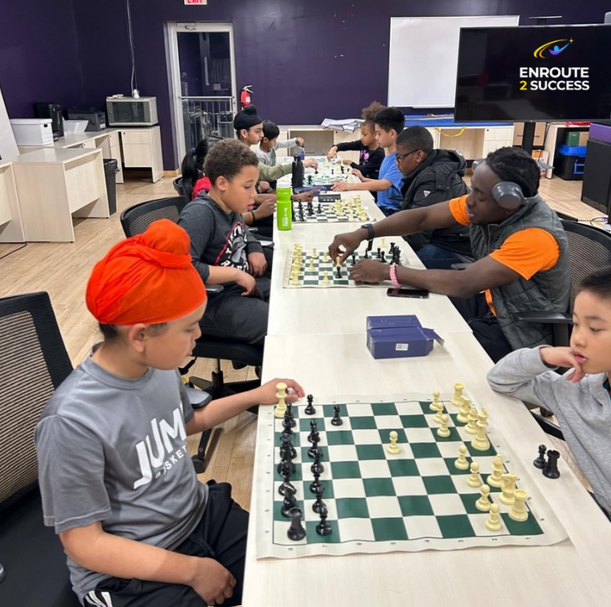
At EnRoute 2 Success, children participate in chess lessons designed to help beginners learn the game in a structured and welcoming setting. Lessons emphasize learning, curiosity, and gradual improvement rather than competition.
These experiences allow children to explore chess at their own pace while developing new skills.
Learn More About Youth Chess Lessons
If your child is interested in learning chess, community programs can provide a supportive place to begin.
EnRoute 2 Success offers free chess lessons in Brampton as part of its youth development programming.
Learn more about our free chess lessons.